


Comments
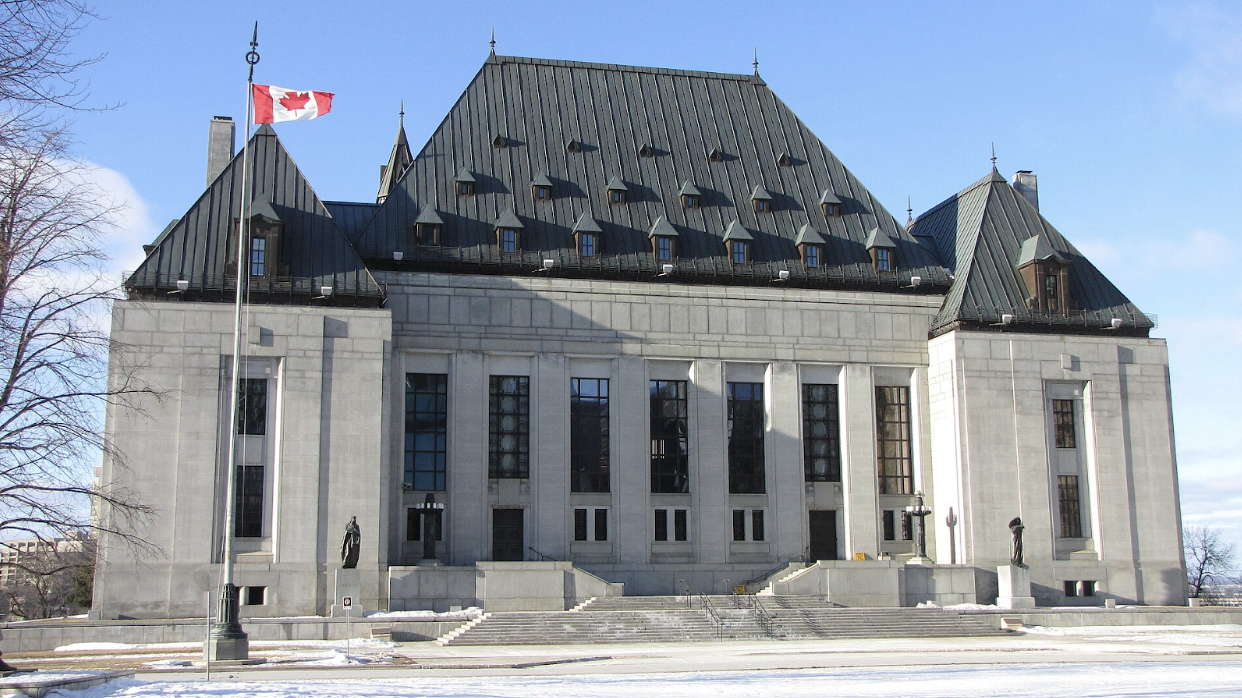
Photo by D. Gordon E. Robertson (CC BY-SA 3.0)
On February 13, 2026, the Supreme Court of Canada released its judgment in Taylor v. Newfoundland and Labrador, addressing the constitutionality of provincial travel restrictions imposed during the COVID-19 pandemic. The case arose after Newfoundland and Labrador declared a public health emergency and issued orders prohibiting entry into the province by non-residents, subject to limited exceptions. Kimberley Taylor, whose request to enter the province to attend her mother’s funeral was initially denied, challenged the restrictions together with the Canadian Civil Liberties Association.
Although the travel measures had been repealed by the time the appeal was heard, the Court exercised its discretion to decide the case due to its national importance. The majority adopted a purposive interpretation of section 6 of the Canadian Charter of Rights and Freedoms, holding that it protects a broad right to move freely within Canada, including across provincial borders.
The Court found that the travel restrictions infringed mobility rights under section 6, but concluded that the infringement was justified under section 1 of the Charter. Applying the Oakes test, the Court held that the measures pursued a pressing and substantial objective—protecting public health in the face of a novel coronavirus—and were proportionate in light of the grave uncertainty at the time.
The decision marks the Court’s first explicit recognition of a Charter-protected right to interprovincial travel and clarifies the scope of mobility rights within Canada.