


Comments
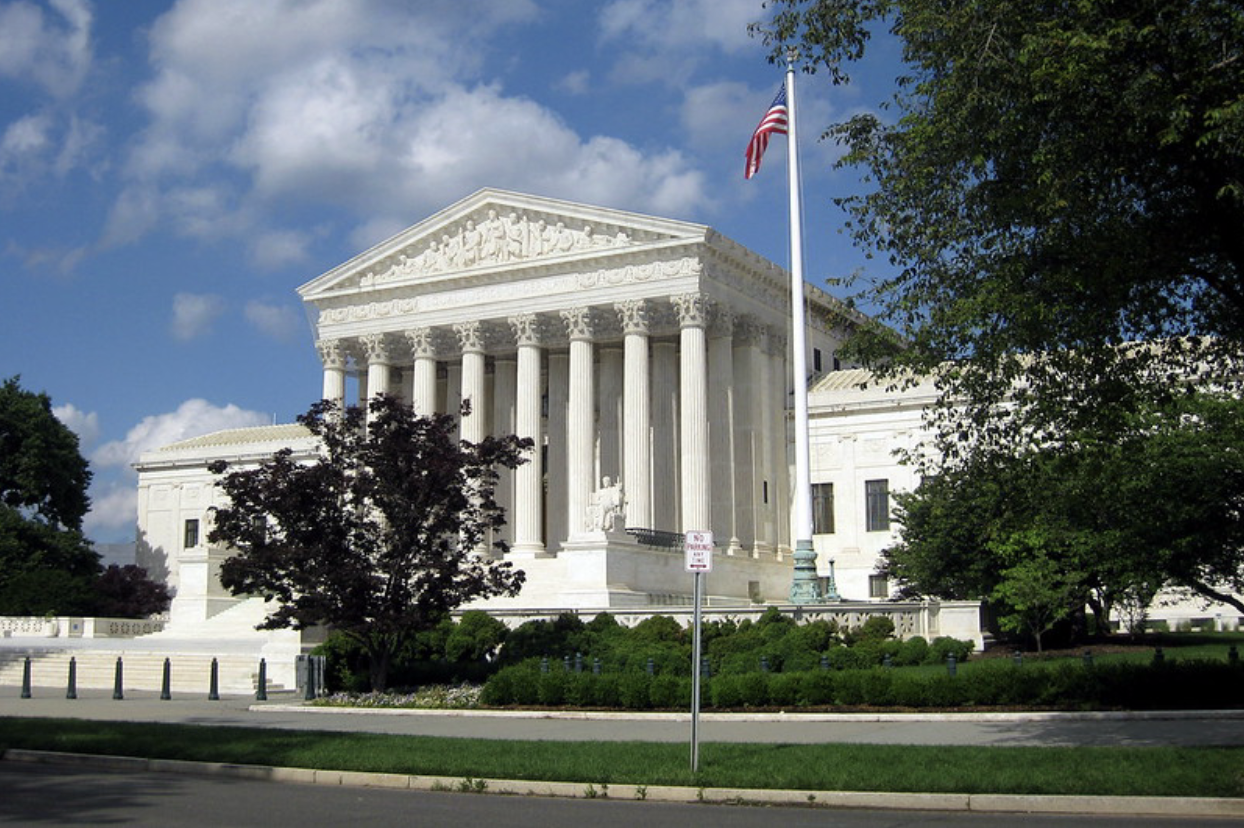
Photo by Wally Gobetz (CC BY-NC-ND 2.0)
On February 20, 2026, the U.S. Supreme Court held that the International Emergency Economic Powers Act (IEEPA) does not authorize the President to impose tariffs. In Learning Resources, Inc. v. Trump consolidated with Trump v. V.O.S. Selections, Inc., the Court considered whether IEEPA permitted the President to impose broad tariffs in response to declared national emergencies concerning drug trafficking and large and persistent trade deficits. The challenged measures included tariffs of up to 25% on imports from Canada and Mexico, up to 145% on certain Chinese goods, and a baseline of 10% tariff on imports from all trading partners.
The Court stated that Article I of the Constitution vests the power to “lay and collect Taxes, Duties, Imposts and Excises” in Congress, and that tariffs are a branch of the taxing power. It rejected the argument that IEEPA delegated that authority to the President, by noting that the statute contains no express reference to tariffs or duties and that Congress has historically used clear and specific language when delegating tariff authority. Applying the major questions doctrine, the Court concluded that the tariff measures required clear congressional authorization, which IEEPA did not provide. Accordingly, the Court held that IEEPA does not authorize the President to impose tariffs.
Following the Court’s ruling, President Trump announced a 10% global tariff pursuant to Section 122 of the Trade Act of 1974 and described the Court’s decision as “deeply disappointing.” He further indicated that the administration would initiate investigations under Section 301 of the Trade Act, signaling the possibility of additional trade measures.